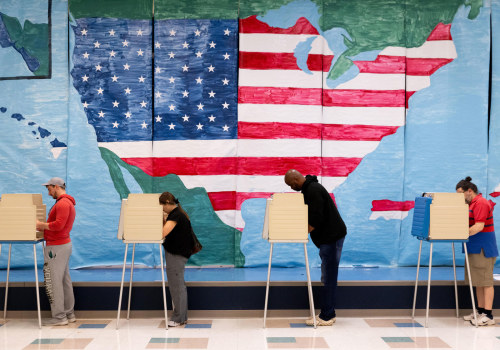
Understanding voter turnout in North Central Colorado is essential for grasping the dynamics of local democracy, especially during election campaigns. This region, characterized by its diverse population and unique political landscape, serves as a microcosm of broader national trends in civic engagement. Voter participation is not merely a statistic; it reflects the health of the democratic process and the extent to which citizens feel empowered to influence their governance. High turnout rates often correlate with increased accountability among elected officials and a more representative government.In North Central Colorado, various factors contribute to the fluctuations in participation rates during elections.
These include demographic shifts, local issues that resonate with voters, and the effectiveness of campaign strategies employed by candidates. For instance, younger voters may be less likely to participate compared to older demographics, yet recent trends indicate a growing interest among younger populations in civic matters. This shift underscores the importance of targeted outreach and engagement strategies that address the specific concerns of different age groups.The implications of voter turnout extend beyond individual elections; they shape policy decisions and community priorities. When citizens actively participate in the electoral process, they signal their commitment to issues that matter most to them, whether it be education, healthcare, or environmental sustainability.
As we explore the intricacies of voter turnout in North Central Colorado during election campaigns, it becomes clear that understanding these patterns is vital for fostering a more engaged electorate and ensuring that all voices are heard in the democratic process.
Overview of Election Campaigns in North Central Colorado
The political landscape in North Central Colorado is a vibrant tapestry woven from diverse voices and perspectives, reflecting the region's unique demographic composition. This area, encompassing counties such as Larimer and Weld, has witnessed significant shifts in electoral trends, particularly during election campaigns. Understanding these dynamics is essential for grasping how local issues and candidate strategies influence voter engagement.In recent years, the region has experienced notable fluctuations in voter turnout rates. For instance, during the 2020 presidential election, North Central Colorado saw participation rates soar to approximately 80%, a remarkable increase attributed to heightened awareness around critical issues such as education, healthcare, and environmental policies.This surge in turnout underscores the importance of candidates effectively connecting with voters on topics that resonate deeply within their communities.Key players in this political arena include established parties and a growing number of independent candidates. While the Democratic and Republican parties have traditionally dominated the electoral scene, there is an increasing presence of third-party candidates who appeal to voters seeking alternatives to mainstream options. This diversification has led to more dynamic election campaigns, where candidates prioritize grassroots outreach and community engagement.Local elections often serve as a microcosm of broader national trends. Issues such as housing affordability, public safety, and transportation infrastructure frequently take center stage during campaigns.
Candidates who address these local concerns effectively can galvanize support and drive higher turnout rates.Moreover, innovative voter engagement strategies are becoming increasingly vital. Campaigns are leveraging social media platforms to connect with younger voters while maintaining traditional methods like door-to-door canvassing in rural areas. Organizations dedicated to increasing voter registration and turnout play a crucial role in mobilizing communities, particularly among underrepresented groups.In summary, the political landscape of North Central Colorado is characterized by its diversity and evolving dynamics. As election campaigns continue to adapt to the needs and concerns of the electorate, understanding these trends will be essential for fostering greater civic participation and ensuring that all voices are heard in the democratic process.
Historical Voter Turnout Trends
Analyzing the historical voter turnout trends in North Central Colorado reveals a complex narrative shaped by various socio-political factors over the years.Understanding these trends is essential for grasping how voter engagement has evolved and what influences have driven participation rates in different election cycles.In the early 2000s, North Central Colorado experienced relatively low voter turnout, particularly during midterm elections. Turnout rates often hovered around 50% to 55% , reflecting a period of political apathy and disengagement among the electorate. This trend was not unique to Colorado but mirrored national patterns where midterm elections typically see lower participation.However, a significant shift began in the 2010s, particularly during presidential election years. The 2012 presidential election marked a turning point, with voter turnout reaching approximately 75%.
This surge can be attributed to several factors:
- Increased Political Awareness: The rise of social media and grassroots movements helped raise awareness about key issues, mobilizing voters who felt their voices mattered.
- Voter Registration Drives: Local organizations launched extensive voter registration campaigns, making it easier for residents to participate in the electoral process.
- Contentious Political Climate: The presence of high-profile candidates and polarizing issues galvanized voters, leading to increased turnout.
- Heightened Awareness of Local Issues: Voters were particularly motivated by pressing concerns such as education funding and environmental policies.
- Innovative Campaign Strategies: Candidates employed targeted outreach efforts that resonated with diverse demographic groups, enhancing engagement.
- The Impact of COVID-19: The pandemic prompted changes in voting methods, including mail-in ballots and extended early voting periods, which made it easier for residents to cast their votes.
The data suggests that as political engagement continues to rise, candidates and political parties must adapt their strategies to effectively connect with an increasingly active electorate.
Factors Influencing Voter Turnout
Understanding the factors that influence voter turnout in North Central Colorado during election campaigns is essential for enhancing civic engagement and ensuring that the electorate is adequately represented. Several key elements contribute to the levels of participation observed in this region, including demographic characteristics, local issues that resonate with voters, and the effectiveness of engagement strategies employed by candidates.Demographic Influences
Demographics play a pivotal role in shaping voter turnout rates. In North Central Colorado, various demographic factors significantly impact how different groups engage with the electoral process:- Age: Younger voters, particularly those aged 18-24, often exhibit lower turnout rates compared to older demographics. However, recent trends indicate a gradual increase in participation among younger voters, driven by targeted outreach efforts.
- Education Level: Individuals with higher education levels tend to be more engaged in voting.
This correlation suggests that educational initiatives aimed at informing citizens about the electoral process can enhance turnout.
- Income: Socioeconomic status can influence access to voting resources and information. Higher-income individuals may have more opportunities to engage in the electoral process, while lower-income residents might face barriers that deter participation.
Local Issues
The relevance of local issues cannot be overstated when it comes to motivating voters. In North Central Colorado, specific concerns resonate deeply with the electorate:- Education Funding: As education remains a top priority for many residents, candidates who address funding for local schools and educational programs often see increased support.
- Healthcare Access: With ongoing discussions about healthcare reform, candidates who prioritize accessible healthcare solutions can galvanize voter interest and participation.
- Environmental Policies: Given the region's natural beauty and outdoor lifestyle, environmental issues such as water rights and land use are critical topics that can drive voter turnout.
Engagement Strategies
The strategies employed by candidates during election campaigns significantly affect voter turnout. Effective engagement techniques include:- Grassroots Organizing: Building a network of local volunteers who connect with potential voters on a personal level fosters community ties and encourages participation.
- Targeted Outreach: Campaigns that analyze demographic data to tailor their messages to specific groups often achieve higher engagement rates.
Addressing issues relevant to particular demographics can enhance voter mobilization.
- Utilization of Technology: Digital platforms allow campaigns to reach a broader audience through social media, email newsletters, and online events, reminding voters of important dates and procedures.
Current Voter Turnout Rates and Statistics
In the 2023 elections, North Central Colorado witnessed a notable shift in voter turnout rates, reflecting a growing engagement among the electorate. According to data from the Colorado Secretary of State, the overall voter turnout rate for this election cycle reached approximatelyIn the 2023 elections, North Central Colorado witnessed a notable shift in voter turnout rates, reflecting a growing engagement among the electorate. According to data from the Colorado Secretary of State, the overall voter turnout rate for this election cycle reached approximately 65%, a significant increase from the 58% turnout recorded during the 2021 municipal elections. This upward trend in participation can be attributed to several key factors that resonated with voters across the region.Heightened Awareness of Local Issues
- The 2023 election campaigns focused heavily on pressing local issues such as education reform, healthcare accessibility, and infrastructure improvements.
Candidates effectively communicated how these topics directly impacted residents' daily lives, motivating them to participate in the electoral process.
- Grassroots organizations played a pivotal role in raising awareness about these issues, organizing community forums and informational sessions that educated voters on their significance.
Improved Accessibility to Voting
- Enhanced voting methods contributed significantly to increased turnout. The availability of mail-in ballots and extended early voting periods made it easier for residents to cast their votes without facing long lines or scheduling conflicts on Election Day.
- Efforts to ensure that polling places were accessible to all voters, including those with disabilities, further encouraged participation.
Demographic Engagement
The statistics also reveal interesting trends among different demographic groups. For instance:
- Younger voters aged 18-24 exhibited a turnout rate of 50%, which is notably higher than in previous elections. This increase can be linked to targeted outreach efforts by campaigns that utilized social media platforms effectively.
- Older demographics (ages 65 and above) maintained a robust turnout rate of around 75%, demonstrating their continued commitment to participating in elections.
The data from the 2023 elections not only highlights the importance of addressing local issues but also emphasizes the need for ongoing efforts to improve accessibility and engagement strategies tailored to diverse demographic groups.
Comparative Analysis: Voter Turnout Across Regions
To fully understand the dynamics of voter turnout in North Central Colorado, it is essential to conduct a comparative analysis with other regions both within Colorado and across the United States. This analysis not only highlights the unique characteristics of North Central Colorado but also sheds light on the challenges and opportunities that different areas face regarding voter engagement.Voter Turnout in North Central Colorado
In recent election cycles, North Central Colorado has consistently demonstrated a robust voter turnout rate, often surpassing the state average. For example, during the 2020 presidential election, this region recorded a turnout rate of approximately 75%, which is slightly below Colorado's overall rate of 76%. This indicates a strong level of engagement among voters in North Central Colorado, driven by local issues and effective campaign strategies.
Comparative Analysis with Other Regions
- Denver Metropolitan Area: This urban region typically sees even higher turnout rates, often around 80%.
The high levels of engagement can be attributed to better access to polling places, extensive voter education campaigns, and a more diverse electorate that actively participates in civic matters.
- Rural Areas: In contrast, rural regions of Colorado often experience lower turnout rates, sometimes falling below 65%. Factors contributing to this decline include greater distances to polling locations, limited resources for voter outreach, and fewer competitive races that might motivate voters to participate.
National Context
When placing North Central Colorado's voter turnout within a national context, significant disparities emerge. States like Minnesota and New Hampshire frequently report turnout rates exceeding 80%, showcasing effective voter mobilization strategies and a strong culture of civic participation. Conversely, some states struggle with turnout rates as low as 50%, often due to systemic barriers such as restrictive voting laws or inadequate outreach efforts.This comparative analysis underscores that while North Central Colorado performs admirably relative to some areas within the state, there remains room for improvement when viewed against national standards.
Enhancing voter education initiatives and ensuring accessibility during election campaigns could further boost participation rates in this region.
Impact of Election Campaign Strategies on Voter Turnout
The effectiveness of election campaign strategies in North Central Colorado plays a pivotal role in shaping voter turnout. As candidates strive to connect with their constituents, the methods they employ can significantly influence participation rates. This section delves into the impact of grassroots organizing, targeted outreach, and the integration of technology in modern campaigns.Grassroots Organizing
Grassroots organizing is a fundamental strategy that empowers local communities to engage in the electoral process. In North Central Colorado, this approach has proven particularly effective due to the region's strong community ties and local identity.Campaigns that prioritize grassroots efforts often mobilize volunteers who can reach out to voters on a personal level. This includes:
- Door-to-Door Canvassing: Volunteers visit neighborhoods to discuss issues, distribute literature, and encourage residents to vote.
- Community Events: Hosting town halls, forums, and social gatherings allows candidates to connect directly with voters and address their concerns.
- Local Partnerships: Collaborating with community organizations enhances credibility and expands outreach efforts.
Targeted Outreach
Another critical component of successful campaign strategies is targeted outreach. By analyzing demographic data, candidates can tailor their messages to resonate with specific groups within the electorate. This approach involves:- Identifying Key Issues: Understanding what matters most to different demographics—such as education for younger voters or healthcare for seniors—enables campaigns to craft relevant messages.
- Customized Communication: Utilizing various communication channels—like social media for younger audiences and traditional mail for older voters—ensures that messages reach the intended recipients effectively.
- Feedback Mechanisms: Engaging with constituents through surveys or focus groups helps campaigns refine their strategies based on voter input.
The Role of Technology
The integration of technology into campaign strategies has transformed how candidates engage with voters.In North Central Colorado, campaigns are increasingly leveraging digital tools to enhance their outreach efforts. Key technological strategies include:
- Social Media Campaigns: Platforms like Facebook, Twitter, and Instagram allow candidates to share their messages widely and interact with voters in real-time.
- Email Marketing: Regular newsletters keep constituents informed about campaign updates, important dates, and voting information.
- Online Fundraising: Digital platforms facilitate fundraising efforts, enabling campaigns to gather resources quickly and efficiently.
FAQs About Voter Turnout in North Central Colorado
Understanding voter turnout in North Central Colorado is essential for both residents and candidates. Below are some frequently asked questions that address common concerns about voting and the election process in this region.What factors influence voter turnout in North Central Colorado?
- Demographics: Age, education level, and income significantly impact participation rates. Younger voters often have lower turnout compared to older demographics, while those with higher education levels tend to be more engaged.
- Election Type: Presidential elections generally see higher turnout than local or midterm elections.
The stakes involved often motivate more voters to participate.
- Campaign Efforts: The intensity and effectiveness of campaign outreach initiatives can greatly influence voter motivation. Candidates who actively engage with their communities tend to see higher participation rates.
- Weather Conditions: Adverse weather on election day can deter voters from heading to the polls, particularly in rural areas where travel may be more challenging.
How does voter turnout in North Central Colorado compare to the state average?
Voter turnout in North Central Colorado often mirrors state trends but can vary based on local issues and candidate appeal. Historically, regions with strong community engagement and active campaigning tend to exceed the state average. For example, during the 2020 presidential election, North Central Colorado's turnout was approximately 75%, closely aligning with Colorado's overall rate of 76%.What are common concerns about voting in North Central Colorado?
- Accessibility: Ensuring polling places are accessible to all voters, including those with disabilities, is a significant concern for many residents.
- Voter ID Laws: Understanding what identification is required to vote can be confusing for some individuals, leading to apprehension about their ability to participate.
- Mail-in Voting: Questions about how to properly fill out and return mail-in ballots are common, especially during high-stakes elections when many voters opt for this method.
Where can I find more information about the election process?
The best resources for information on the election process in North Central Colorado include:- The official website of the Colorado Secretary of State, which provides details on registration, voting locations, and ballot information.
- Your local county clerk's office, which can answer specific questions related to your area and provide assistance with any voting-related inquiries.
- Civic organizations that often host informational sessions and provide resources for voters looking to understand the electoral process better.
Conclusion: The Future of Voter Engagement in North Central Colorado
As we look to the future of voter engagement in North Central Colorado, it is essential to recognize the progress made in recent years while also acknowledging the challenges that lie ahead.The data indicates a positive trend in voter turnout, particularly among younger demographics and historically underrepresented communities. This shift is not merely a statistical anomaly; it reflects a growing awareness of the importance of civic participation and the impact that individual votes can have on local governance.Several key factors contribute to this encouraging trend:
- Increased Awareness: Campaigns have increasingly focused on educating voters about their rights and the significance of their participation. This has led to heightened awareness levels, particularly regarding local issues that resonate with constituents.
- Accessibility of Voting: Efforts to enhance voting accessibility, such as mail-in ballots and extended early voting periods, have made it easier for residents to engage in the electoral process. These measures are crucial in ensuring that all voices are heard, regardless of socioeconomic status or mobility challenges.
- Community Engagement: Grassroots organizations and local initiatives have played a pivotal role in mobilizing citizens.
By fostering a sense of community responsibility towards voting, these efforts have encouraged more individuals to participate in elections.
- Combatting Misinformation: The rapid spread of misinformation poses a significant threat to informed voting. It is vital for educational campaigns to focus on providing reliable information and resources to help voters navigate the complexities of the electoral process.
- Sustaining Interest: Maintaining enthusiasm for future elections requires ongoing outreach and innovative campaign strategies that resonate with the electorate. Candidates must continue to address issues that matter most to their constituents and engage them in meaningful dialogue.
- Inclusivity: Ensuring that all voices are represented, particularly those from marginalized groups, is crucial for a truly representative democracy. Efforts must be made to reach out to these communities and address their specific concerns.
By addressing misinformation, sustaining interest in civic participation, and promoting inclusivity, we can work towards a more engaged electorate that reflects the diverse voices of our communities.