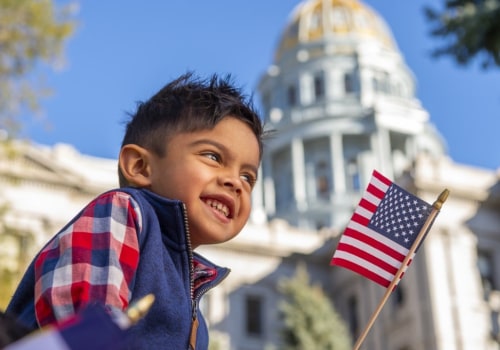
North Central Colorado is a region rich in diversity, characterized by a tapestry of cultures, languages, and traditions that contribute to its unique identity. Understanding the demographics of this area is essential for candidates looking to engage effectively with voters during election campaigns in North Central Colorado. The population includes a significant representation of minority communities, each with distinct needs, values, and concerns that can influence electoral outcomes. By recognizing these differences, candidates can tailor their messages and outreach strategies to resonate more deeply with these groups.The Hispanic community stands out as one of the largest minority populations in North Central Colorado, reflecting a vibrant culture that has significantly shaped the region's social fabric.
Alongside this group, African American, Asian, and Native American communities also play crucial roles in the political landscape. Each of these demographics brings unique perspectives and priorities that candidates must consider when crafting their campaign strategies. For instance, issues such as immigration reform, healthcare access, and educational opportunities may resonate differently across these communities.Moreover, the importance of understanding these demographics extends beyond mere numbers; it encompasses the cultural nuances and historical contexts that inform community perspectives. Candidates who take the time to engage with local leaders and community members can gain invaluable insights into the specific challenges faced by these populations.
This engagement not only fosters trust but also enhances the overall effectiveness of campaign efforts. As we delve deeper into strategies for engaging minority communities in North Central Colorado, it becomes clear that a nuanced understanding of the region's demographics is foundational for any successful election campaign.
The Importance of Engaging Minority Communities in Election Campaigns
Engaging minority communities during election campaigns is not merely a strategic choice; it is a fundamental aspect of fostering a healthy and representative democracy. The significance of this engagement can be understood through several critical dimensions that impact both the electoral process and the broader societal landscape.Enhancing Voter Turnout
One of the most compelling reasons to engage minority communities is the direct correlation between outreach efforts and increased voter turnout. Research indicates that when candidates actively reach out to these communities, participation rates rise significantly.
In North Central Colorado, where minority populations can sway election outcomes, this engagement becomes even more crucial. By addressing specific issues that resonate with these voters—such as education, healthcare, and economic opportunities—candidates can motivate individuals to take part in the electoral process.
Building Trust and Relationships
Trust is a cornerstone of effective political engagement. Many minority communities have historically faced disenfranchisement and marginalization, leading to skepticism towards political candidates and institutions. By prioritizing genuine interactions and listening to community concerns, candidates can build meaningful relationships that foster trust.
This trust is essential for ensuring that all voices are heard and represented in the political arena.
Reflecting Community Values
Minority communities often possess unique perspectives shaped by their cultural backgrounds and experiences. Engaging with these groups allows candidates to gain insights into their values and priorities, which can lead to more effective policy-making. When candidates align their platforms with the aspirations of these communities, they not only enhance their appeal but also contribute to a richer political discourse that reflects the diversity of the electorate.
Increasing Representation
A lack of engagement can result in the underrepresentation of minority voices in government. By actively reaching out to these communities, candidates help ensure that diverse perspectives are included in decision-making processes.
This representation is vital for creating policies that address the needs of all constituents, ultimately leading to a more equitable society.In summary, engaging minority communities during election campaigns in North Central Colorado is essential for enhancing voter turnout, building trust, reflecting community values, and increasing representation. Candidates who prioritize this engagement not only strengthen their campaigns but also contribute to a more inclusive democratic process.
Effective Strategies for Engaging Minority Communities
Engaging minority communities effectively during election campaigns in North Central Colorado requires a multifaceted approach that prioritizes genuine connection and understanding. Here are several key strategies that candidates can implement to foster meaningful engagement:- Outreach Programs: Establishing tailored outreach programs is essential for addressing the specific needs and concerns of minority communities. These programs can include workshops, town hall meetings, and informational sessions that focus on local issues such as education, healthcare, and economic opportunities.
By creating spaces for dialogue, candidates can better understand the unique challenges faced by these populations.
- Community Events: Participating in or sponsoring local events such as cultural festivals, parades, and community fairs allows candidates to interact with minority voters in a relaxed and welcoming environment. These events not only provide an opportunity to showcase support for diverse cultures but also help candidates build rapport with constituents. Engaging in activities that celebrate the rich heritage of these communities can foster a sense of belonging and encourage voter participation.
- Partnerships with Local Organizations: Collaborating with local advocacy groups, non-profits, and community leaders can significantly enhance a candidate's credibility within minority communities. These organizations often have established trust and can facilitate introductions and discussions that resonate with voters.
By aligning campaign efforts with the missions of these organizations, candidates can demonstrate their commitment to addressing the needs of all constituents.
- Targeted Communication: Utilizing targeted communication strategies is crucial for ensuring that campaign information is accessible to all community members. This includes providing multilingual materials and employing culturally relevant messaging that reflects the values and priorities of different minority groups. By demonstrating respect for diversity through communication, candidates can foster a more inclusive atmosphere.
- Listening Tours: Conducting listening tours where candidates visit neighborhoods to hear directly from residents about their concerns is an effective way to foster community involvement. This approach not only builds rapport but also helps candidates tailor their platforms to better serve minority populations.
By actively listening to constituents, candidates can gain valuable insights into the issues that matter most to these communities.
Case Studies: Successful Engagement in Recent Elections
In recent elections across North Central Colorado, several candidates have effectively engaged minority communities, leading to notable increases in voter turnout and community support. These case studies illustrate the diverse strategies employed and the positive outcomes achieved.Case Study 1: Candidate A's Community Forums
Candidate A recognized the importance of direct dialogue with minority voters and organized a series of community forums specifically targeting neighborhoods with significant minority populations. These forums were designed to create an open platform for discussing pressing issues such as affordable housing, healthcare access, and education.By inviting local leaders and activists to participate, Candidate A not only demonstrated respect for the community's voice but also built trust among attendees.The outcome was significant: many participants expressed a newfound interest in the electoral process, leading to a marked increase in voter registration among those who attended. This initiative highlighted how fostering open communication can empower communities and encourage civic engagement.
Case Study 2: Candidate B's Cultural Events
Candidate B took a unique approach by hosting a series of cultural events that celebrated the rich diversity of North Central Colorado. These events included food festivals, art exhibitions, and music performances that showcased the heritage of various minority groups. By aligning their campaign with community values and traditions, Candidate B was able to create a sense of belonging among attendees.Feedback from participants indicated that these cultural celebrations made them feel more connected to the candidate and motivated to vote.The events not only enhanced visibility but also fostered a deeper understanding of the issues facing minority communities, ultimately leading to increased voter turnout.
Case Study 3: Candidate C's Targeted Outreach Programs
Candidate C implemented targeted outreach programs aimed at educating minority voters about the electoral process. This initiative included workshops focused on how to register, understand ballot measures, and utilize voting resources effectively. By partnering with local organizations that serve minority populations, Candidate C successfully reached individuals who may have felt disenfranchised or uninformed about their voting rights.The result was a measurable rise in voter turnout among these communities, demonstrating that education and accessibility are crucial components of effective engagement strategies. This case underscores the importance of addressing barriers to participation in order to empower all constituents.These case studies exemplify that successful engagement with minority communities during election campaigns in North Central Colorado requires genuine effort, cultural sensitivity, and a commitment to addressing the unique needs of these populations.Candidates who prioritize these strategies can build stronger connections and foster greater civic participation.
Challenges Candidates Face When Engaging Minority Communities
Engaging minority communities during election campaigns in North Central Colorado presents a myriad of challenges that candidates must navigate to foster meaningful connections. Understanding these obstacles is essential for developing effective outreach strategies that resonate with diverse voter bases.Cultural Barriers
One of the most significant challenges candidates face is the presence of cultural barriers. Each minority community possesses its own unique cultural nuances, traditions, and values. Candidates who lack familiarity with these aspects may inadvertently miscommunicate or fail to connect on a personal level.
For instance, language differences can pose a substantial hurdle, as many community members may prefer to communicate in their native languages. This can lead to misunderstandings and alienation, making it difficult for candidates to convey their messages effectively.
Mistrust in Politics
Another major obstacle is the mistrust that has developed over time within minority communities. Historical disenfranchisement and negative experiences with political systems have fostered skepticism towards candidates and their intentions. Many individuals from these communities may feel that their voices have been ignored or marginalized in the past, leading to reluctance in engaging with political campaigns.
To overcome this barrier, candidates must demonstrate a genuine commitment to understanding and addressing the unique challenges faced by these populations.
Limited Resources
Additionally, candidates often encounter limited resources, which can restrict their ability to effectively engage with minority communities. Campaigns typically operate on tight budgets, making it challenging to organize outreach events or hire staff who are knowledgeable about the specific needs of these populations. Without adequate funding, candidates may struggle to implement comprehensive engagement strategies that resonate with diverse voter bases.
Complex Political Landscape
The political landscape in North Central Colorado adds another layer of complexity to engagement efforts. Candidates must navigate a diverse electorate with varying priorities and concerns.
This complexity necessitates tailored messaging that resonates with each group while maintaining a cohesive campaign narrative. Failure to address the distinct needs of different communities can result in missed opportunities for connection and support.In summary, addressing challenges such as cultural barriers, mistrust, limited resources, and a complex political landscape is crucial for candidates aiming to engage effectively with minority communities during election campaigns in North Central Colorado. By acknowledging these obstacles and developing targeted strategies to overcome them, candidates can foster more inclusive political participation and representation.
The Role of Social Media in Engaging Minority Communities
In the contemporary landscape of election campaigns in North Central Colorado, social media has emerged as a transformative tool for engaging minority communities. The ability to connect with diverse audiences through tailored messaging and interactive content is reshaping traditional campaign strategies, making it essential for candidates to harness these platforms effectively.Understanding the Digital Landscape
Social media platforms such as Facebook, Twitter, Instagram, and TikTok offer candidates unique opportunities to reach minority voters where they are most active.By analyzing user demographics and engagement patterns, campaigns can identify which platforms resonate most with specific communities. This targeted approach ensures that outreach efforts are not only effective but also efficient.
Digital Engagement Strategies
- Content Creation: Candidates should focus on creating content that reflects the values, concerns, and aspirations of minority communities. This includes sharing stories, testimonials, and highlighting issues that matter most to these groups. For instance, posting videos that showcase community leaders discussing local challenges can foster a sense of connection.
- Interactive Campaigning: Utilizing features such as live Q&A sessions, polls, and community discussions on social media can enhance engagement.
These interactive elements encourage dialogue between candidates and constituents, allowing voters to voice their concerns and feel heard.
- Influencer Partnerships: Collaborating with local influencers who have established credibility within minority communities can amplify a candidate's message. These influencers can help bridge gaps between candidates and voters by sharing campaign content in a relatable manner.
Building Trust Through Authenticity
Authenticity is paramount when engaging minority communities online. Candidates must demonstrate genuine interest in understanding the unique challenges faced by these groups. This can be achieved through:- Regular updates on campaign initiatives that specifically address minority issues, ensuring transparency and accountability.
- Open communication about policy positions and how they will impact diverse populations, fostering trust through clarity.
- Encouraging feedback from community members to refine campaign strategies, showing responsiveness to their needs.
By employing targeted digital engagement strategies and prioritizing authenticity, candidates can build trust, foster relationships, and ultimately enhance their chances of success in the electoral process.
FAQs About Engaging Minority Communities in Election Campaigns
Engaging minority communities during election campaigns in North Central Colorado is essential for candidates seeking to represent a diverse electorate. Below are some frequently asked questions that can help candidates navigate this important aspect of their campaigns.Why is it important to engage minority communities in election campaigns?
Engaging minority communities is crucial for several reasons:- Understanding Unique Challenges: Each minority group faces distinct challenges that may not be apparent to those outside the community. Engaging with these groups allows candidates to gain insights into their specific needs and concerns.
- Enhancing Voter Turnout: Research indicates that targeted outreach can significantly increase voter participation among minority populations, which can be pivotal in close elections.
- Building Trust: Establishing relationships with minority communities fosters trust, making voters more likely to support candidates who demonstrate genuine interest in their issues.
What strategies can candidates use to connect with minority voters?
Candidates can employ various strategies to effectively engage with minority voters, including:- Community Forums: Hosting open forums where community members can voice their concerns and ask questions directly fosters a sense of inclusion.
- Partnerships with Local Organizations: Collaborating with established community organizations can enhance credibility and facilitate deeper connections with minority voters.
- Social Media Engagement: Utilizing social media platforms to share relevant content and interact with constituents can help reach younger voters and those who may not attend traditional campaign events.
How can candidates ensure their messages resonate with minority communities?
To ensure that campaign messages resonate, candidates should:- Research Community Priorities: Understanding the specific issues that matter most to different minority groups is essential for crafting relevant messages.
- Culturally Relevant Communication: Using language and imagery that reflect the cultural backgrounds of these communities can enhance relatability and engagement.
- Highlight Inclusive Policies: Candidates should emphasize policies that directly benefit minority communities, such as education reform, healthcare access, and economic opportunities.
What role do local events play in engaging minority voters?
Local events serve as vital platforms for candidates to connect with voters face-to-face. These gatherings allow candidates to:- Create Personal Connections: Meeting constituents in informal settings helps build rapport and trust.
- Listen Actively: Events provide opportunities for candidates to hear directly from community members about their concerns and aspirations.
- Showcase Commitment: Participation in local events demonstrates a candidate's commitment to the community and its cultural heritage.
Conclusion: Key Takeaways for Candidates in North Central Colorado
Engaging with minority communities in North Central Colorado is not merely a strategic advantage for candidates; it is a fundamental aspect of fostering a representative democracy.As we conclude this discussion, it is essential to highlight the key takeaways that candidates should consider when crafting their election campaigns.
- Understand Community Needs: Candidates must prioritize listening to the unique challenges and aspirations of minority communities. This understanding can significantly shape campaign messages, ensuring they resonate more deeply with these voters. By conducting surveys, focus groups, or informal discussions, candidates can gather valuable insights that inform their platforms.
- Build Authentic Relationships: Genuine engagement extends beyond superficial interactions. Candidates should aim to establish long-term relationships with community leaders and organizations.
This approach facilitates more meaningful dialogue and collaboration, allowing candidates to demonstrate their commitment to addressing community concerns.
- Utilize Diverse Communication Channels: Different communities may prefer various forms of communication. Candidates should leverage social media, community events, and local media outlets to reach a broader audience effectively. Tailoring messages for each platform ensures that they are accessible and engaging for all demographic groups.
- Address Issues that Matter: Focusing on issues that disproportionately affect minority communities—such as healthcare access, education equity, and economic opportunities—can showcase a candidate's dedication to inclusivity. By aligning campaign priorities with the needs of these populations, candidates can foster trust and support.
- Engage Continuously: Engagement should not be limited to the election cycle.
Candidates must commit to ongoing outreach efforts, demonstrating their dedication to the communities they seek to represent. This continuous engagement helps build trust and ensures that candidates remain attuned to the evolving needs of minority populations.