The landscape of election campaigns in North Central Colorado is a rich tapestry woven from the threads of local history, culture, and political evolution. This region, characterized by its diverse communities and unique challenges, has witnessed a remarkable transformation in how candidates engage with voters over the years. Understanding the historical context of these campaigns is essential for grasping the current political dynamics and the strategies employed by candidates today.From the early grassroots movements that defined the late 19th century to the sophisticated digital strategies of the 21st century, the evolution of election campaigns in this area reflects broader national trends while also addressing specific local issues. The significance of these campaigns extends beyond mere electoral outcomes; they serve as a mirror to societal values, priorities, and the changing demographics of North Central Colorado.
As we explore this journey through time, we will uncover how local concerns such as economic development, education, and environmental sustainability have consistently shaped campaign narratives.Moreover, the interplay between local political figures and their constituents has played a pivotal role in shaping these campaigns. Candidates who have successfully connected with their communities have often found themselves at the forefront of political change. By examining key milestones and influential figures in North Central Colorado's electoral history, we can gain valuable insights into how past events have laid the groundwork for contemporary campaigning practices. This exploration not only highlights the importance of understanding local political dynamics but also emphasizes how they resonate with national trends in electioneering.
The Early Days: Grassroots Campaigning in the Late 19th Century
The late 19th century marked a pivotal era for election campaigns in North Central Colorado, characterized by a strong emphasis on grassroots campaigning.As settlers flocked to the region, they brought with them a diverse array of political beliefs and a fervent desire for representation. This period was defined by local engagement, where community members actively participated in shaping their political landscape.During this time, early political strategies revolved around direct interaction with constituents. Candidates often relied on personal connections and local knowledge to resonate with voters. Town hall meetings became a popular venue for candidates to present their platforms, allowing for open dialogue and immediate feedback from the electorate.
These gatherings fostered a sense of community and trust, essential elements in an era where communication was limited.One of the key issues that dominated early political discourse was land rights. As settlers established farms and businesses, they faced challenges related to land ownership and access to resources. Candidates who addressed these concerns effectively gained traction among voters. Additionally, water access emerged as another critical topic, particularly in a region where agriculture played a vital role in the economy.
Campaigns often highlighted promises to secure water rights and improve irrigation systems, appealing directly to the needs of local farmers.Moreover, the economic development of North Central Colorado was a significant focus during this period. Candidates advocated for policies that would stimulate growth and create job opportunities. The establishment of railroads facilitated not only transportation but also communication, enabling candidates to reach wider audiences and distribute campaign materials more efficiently.In summary, the grassroots efforts of the late 19th century laid the foundation for modern election campaigns in North Central Colorado. The emphasis on community engagement, coupled with a focus on pressing local issues such as land rights and economic development, shaped early political strategies that continue to influence contemporary campaigning practices.
Key Historical Milestones in Election Campaigns
The evolution of election campaigns in North Central Colorado is marked by several pivotal milestones that have significantly shaped the political landscape of the region.Each of these events not only reflects the changing dynamics of campaigning but also highlights the local issues that have consistently influenced electoral strategies.
1.The Formation of Political Parties (Late 19th Century)
As Colorado transitioned into statehood in 1876, the establishment of major political parties began to take root. The emergence of the Republican and Democratic parties created a structured political environment where candidates could rally support more effectively. Early campaigns were often centered around critical issues such as land rights, mining regulations, and economic development, which resonated deeply with the newly settled communities. Candidates utilized town hall meetings and local gatherings to connect with voters, laying the groundwork for future political engagement.
2.The Progressive Era (Early 20th Century)
The early 1900s ushered in the Progressive Era, a time characterized by significant reforms aimed at addressing social issues and improving government accountability.
This period saw a shift towards more organized campaign strategies, including the widespread use of pamphlets and public speeches to disseminate information. The election of 1912 was particularly notable as it showcased a split within the Republican Party, leading to a more vibrant political discourse in North Central Colorado. Candidates began to adopt progressive platforms that appealed to a broader base, emphasizing social justice and economic reform.
3.The Rise of Media Influence (Mid-20th Century)
The mid-20th century marked a transformative era for election campaigns with the advent of radio and television. These new media platforms revolutionized how candidates communicated their messages to voters.
The 1960 presidential election is often cited as a watershed moment, highlighting the impact of televised debates on public perception and voter engagement. Candidates learned to craft their images carefully, recognizing that visual presentation could significantly influence electoral outcomes.
4.Modern Campaign Strategies (21st Century)
In recent years, the landscape of election campaigns in North Central Colorado has been dramatically reshaped by digital technology. The rise of social media platforms has become integral to campaign strategies, allowing candidates to reach diverse audiences with targeted messaging. The 2020 elections exemplified this trend, as candidates leveraged online fundraising and digital outreach to mobilize supporters effectively.
This modern approach not only reflects national trends but also addresses local issues that resonate with voters, ensuring that campaigns remain relevant in an ever-evolving political environment.These historical milestones illustrate how election campaigns in North Central Colorado have evolved over time, adapting to changes in technology, societal values, and voter engagement strategies. Understanding these key events provides valuable context for analyzing contemporary political dynamics in the region.
The Role of Technology in Shaping Campaign Strategies
The landscape of election campaigns in North Central Colorado has been profoundly transformed by technological advancements over the past few decades. The shift from traditional campaigning methods to digital platforms has not only changed how candidates communicate with voters but also redefined the very nature of political engagement.Historically, election campaigns relied heavily on face-to-face interactions, printed materials, and local media advertisements. Candidates would often spend countless hours canvassing neighborhoods, distributing flyers, and attending community events to connect with constituents.While these methods were effective in their time, they had inherent limitations in terms of reach and efficiency.With the advent of the internet and the proliferation of social media, candidates in North Central Colorado have embraced a new era of digital campaigning. This transformation has enabled them to:
- Engage with Voters in Real-Time: Social media platforms such as Facebook, Twitter, and Instagram allow candidates to interact directly with voters through live Q&A sessions, polls, and interactive content. This immediacy fosters a sense of community and connection that was previously unattainable.
- Utilize Data Analytics: Campaigns can now leverage data analytics to understand voter behavior and preferences more accurately. By analyzing demographic information and engagement metrics, candidates can tailor their messages to resonate with specific voter groups, enhancing their outreach efforts.
- Mobilize Supporters Quickly: Digital platforms facilitate rapid mobilization of supporters through online fundraising campaigns and grassroots organizing efforts.
This agility allows candidates to respond swiftly to emerging issues or shifts in public sentiment.
The ongoing evolution of election campaigns in North Central Colorado underscores the importance of embracing innovation while remaining grounded in the community's needs.
Influential Political Figures and Their Campaign Strategies
North Central Colorado has been shaped by a diverse array of influential political figures whose unique campaign strategies have left a lasting impact on local elections. These leaders have not only navigated the complexities of political landscapes but have also adapted their approaches to resonate with the evolving needs of their constituents.John Hickenlooper
As a former governor and mayor of Denver, John Hickenlooper is a prominent figure in Colorado politics. His campaign strategies often revolved around his personal narrative, emphasizing his background as a small business owner. This connection allowed him to resonate with voters who prioritized economic growth and job creation.Hickenlooper's use of storytelling in his campaigns helped humanize his political persona, making him relatable to constituents. His ability to engage with voters through town halls and community events showcased his commitment to transparency and accessibility.
Cory Gardner
Cory Gardner
, a former U. S. Senator, employed a grassroots approach during his campaigns.
His strategy included extensive door-to-door canvassing and town hall meetings, fostering direct communication with voters. Gardner's emphasis on local issues, such as agriculture and water rights, appealed to the rural communities in North Central Colorado, showcasing his dedication to understanding their needs. By prioritizing face-to-face interactions, he built trust and rapport with constituents, which proved vital in his electoral success.
Diana DeGette
Diana DeGette
has been a significant figure in Colorado politics for decades, known for her focus on health care and women's rights. Her campaign strategies often leverage grassroots support through advocacy groups, demonstrating the power of aligning campaign messages with community values.
DeGette's ability to mobilize supporters around critical issues has been instrumental in her electoral success, reflecting her deep understanding of the electorate's concerns.
Notable Campaigns
- The 2014 Gubernatorial Race: This election highlighted the contrasting styles of candidates Hickenlooper and Bob Beauprez, showcasing how personal branding can influence voter perception.
- The 2020 Senate Race: The fierce competition between Gardner and Democrat John Hickenlooper illustrated the shifting political landscape in North Central Colorado, emphasizing the importance of adapting campaign strategies to changing demographics.
The Impact of Local Issues on Election Campaigns
Election campaigns in North Central Colorado are deeply intertwined with local issues that resonate with the electorate. Understanding these issues is essential for candidates aiming to connect with voters and effectively communicate their platforms. The three primary local concerns that have consistently influenced election campaigns in this region are economic stability, educational reform, and environmental protection.Economic Concerns
The economy remains a pivotal topic in election campaigns across North Central Colorado.With a diverse economic landscape that includes agriculture, technology, and tourism, candidates often tailor their messages to address the specific economic challenges faced by their constituents. For instance, fluctuations in job availability and the need for sustainable economic growth are frequent themes in campaign rhetoric.During recent elections, candidates have emphasized policies aimed at job creation, support for small businesses, and investment in infrastructure. These initiatives are designed to attract new industries while bolstering existing ones. Moreover, discussions around affordable housing and cost of living have gained traction, as residents express concerns about rising expenses impacting their quality of life.
Education as a Central Theme
Education is another critical issue that shapes election campaigns in North Central Colorado.Candidates recognize that voters prioritize access to quality education for their children. As such, educational reform has become a central theme in many campaigns. Key topics include:
- Funding for Public Schools: Candidates advocate for increased funding to ensure that local schools can provide adequate resources and support for students.
- Access to Higher Education: Proposals often focus on making higher education more accessible through scholarships and community college programs.
- Vocational Training: With the changing job market, candidates highlight the importance of vocational training programs that prepare students for careers in high-demand fields.
Environmental Issues
The stunning natural landscapes of North Central Colorado also play a significant role in shaping election campaigns. Environmental issues such as water conservation, land use policies, and climate change have become increasingly important topics for voters.Candidates who advocate for sustainable practices and responsible resource management often find favor among environmentally conscious constituents.In recent elections, discussions around renewable energy initiatives and conservation efforts have gained momentum. Candidates who propose actionable plans to protect natural resources while promoting economic development resonate well with voters who value both environmental stewardship and economic growth.In summary, the interplay of local issues such as economic stability, education reform, and environmental protection profoundly impacts election campaigns in North Central Colorado. Candidates who successfully address these topics not only connect with voters but also demonstrate their commitment to the community's well-being.
Voter Engagement and Turnout Trends Over Time
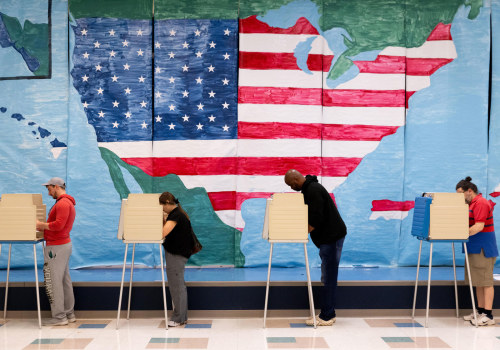
Understanding the dynamics of voter engagement and turnout trends in North Central Colorado is essential for grasping the effectiveness of election campaigns in the region. Over the years, various factors have influenced voter participation, reflecting broader societal changes and shifts in political dynamics.Historically, voter turnout in North Central Colorado has experienced notable fluctuations.For instance, during the late 20th century, particularly in the 1980s and 1990s, turnout rates were relatively low, often hovering around 50% to 60% during midterm elections. This period was characterized by a lack of competitive races and limited engagement from younger voters, leading to a sense of disconnection from the political process.However, the turn of the millennium marked a significant shift in voter participation. The 2008 presidential election saw a surge in turnout, exceeding 70%. This increase can be attributed to heightened political awareness and mobilization efforts by various campaigns targeting younger demographics and underrepresented communities.
The emergence of social media as a campaigning tool also played a crucial role in energizing voters.In recent years, North Central Colorado has witnessed a steady rise in voter engagement:
- 2016 Presidential Election: Turnout reached approximately 75%, driven by contentious issues such as immigration and healthcare.
- 2020 Presidential Election: A record high of nearly 80%, fueled by mail-in voting options and grassroots mobilization efforts.
- Younger Voters: Increased participation from those aged 18-29, particularly during presidential elections.
- Minority Communities: Enhanced outreach efforts have led to higher turnout rates among Hispanic and African American voters.
Recent Developments and Future Trends in Election Campaigns
In recent years, the landscape of election campaigns in North Central Colorado has experienced significant transformations, driven by both technological advancements and a resurgence of grassroots activism. These developments have not only reshaped how candidates engage with voters but have also set the stage for future electoral strategies.One of the most notable trends has been the increasing reliance on digital platforms for campaigning.Candidates are now utilizing social media channels such as Facebook, Twitter, and Instagram to reach a broader audience. This shift allows for real-time interaction with constituents, enabling candidates to respond to voter concerns promptly and effectively. The 2020 election cycle exemplified this trend, as many candidates adapted their strategies to include virtual town halls and online forums, ensuring that they remained accessible even amidst public health concerns.Moreover, the rise of data analytics has revolutionized how campaigns are conducted. By leveraging voter data, candidates can tailor their messages to resonate with specific demographics, enhancing their outreach efforts. Candidates are now utilizing social media channels such as Facebook, Twitter, and Instagram to reach a broader audience. This shift allows for real-time interaction with constituents, enabling candidates to respond to voter concerns promptly and effectively. The 2020 election cycle exemplified this trend, as many candidates adapted their strategies to include virtual town halls and online forums, ensuring that they remained accessible even amidst public health concerns.Moreover, the rise of data analytics has revolutionized how campaigns are conducted. By leveraging voter data, candidates can tailor their messages to resonate with specific demographics, enhancing their outreach efforts.
This targeted approach not only increases engagement but also fosters a sense of connection between candidates and voters, as constituents feel that their unique concerns are being addressed.Grassroots movements have also gained momentum in North Central Colorado, reflecting a broader national trend towards community-driven political engagement. Candidates who prioritize direct interaction with voters—through door-to-door canvassing and local events—often find greater success in building trust and rapport. This emphasis on personal connection is particularly effective in areas where residents value transparency and authenticity in their leaders.Looking ahead, several key trends are likely to shape the future of election campaigns in this region:
- Increased Use of Technology: As technology continues to evolve, campaigns will increasingly adopt advanced analytics and artificial intelligence tools to refine their outreach strategies.
- Focus on Local Issues: Candidates will likely prioritize pressing local concerns such as housing affordability, environmental sustainability, and public health initiatives that resonate deeply with voters.
- Diversity in Candidate Representation: There is a growing emphasis on electing candidates who reflect the diverse demographics of North Central Colorado, leading to more inclusive campaign strategies that address a wider range of community needs.
Conclusion: The Ongoing Evolution of Election Campaigns
The landscape of election campaigns in North Central Colorado has undergone remarkable transformations over the years, shaped by historical events, technological advancements, and the evolving needs of the electorate.As we reflect on the journey of political campaigning in this region, it becomes clear that understanding its past is essential for grasping its present and anticipating its future.Throughout this article, we have explored key milestones that have defined the evolution of election campaigns in North Central Colorado. From the grassroots movements of the late 19th century to the sophisticated digital strategies employed in recent elections, each phase has contributed to a richer political tapestry. The formation of political parties laid the groundwork for organized campaigning, while the Progressive Era introduced reforms that enhanced voter engagement.Moreover, the rise of media influence, particularly with the advent of radio and television, revolutionized how candidates communicated with voters. Today, we witness a new era dominated by digital platforms that allow for real-time interaction and targeted messaging.
This shift not only broadens outreach but also empowers voters with access to information that was previously difficult to obtain.As we look ahead, it is crucial to recognize that local issues will continue to play a pivotal role in shaping campaign strategies. Candidates who prioritize community concerns—such as economic development, education reform, and environmental sustainability—are more likely to resonate with voters. Furthermore, as demographics shift and diversify, future campaigns must adapt to reflect these changes.In conclusion, the ongoing evolution of election campaigns in North Central Colorado underscores the importance of historical context in understanding contemporary political dynamics. By learning from past strategies and adapting to new challenges, candidates can effectively engage with their constituents and foster a more informed electorate.
As we move forward, it is imperative for both candidates and voters to remain vigilant and responsive to the ever-changing political landscape.