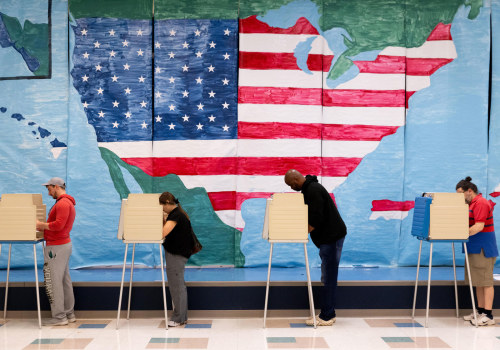
North Central Colorado is a region characterized by its diverse economic landscape, which significantly influences the dynamics of election campaigns in North Central Colorado. With a mix of urban centers like Fort Collins and Loveland, alongside rural communities, the economic issues faced by residents vary widely. From the booming tech industry and agricultural sectors to challenges such as housing affordability and workforce development, candidates must navigate a complex web of economic concerns that resonate with voters. As the region continues to grow, so do the economic challenges that come with it. Issues such as job creation, infrastructure development, and access to education are at the forefront of many campaign platforms.
Candidates often tailor their messages to address these specific needs, emphasizing their plans to stimulate local economies and support small businesses. The impact of these economic factors is not just a backdrop; they are central to how candidates position themselves and their policies during election cycles. Moreover, the interplay between local economic conditions and broader state and national trends adds another layer of complexity. Candidates must not only advocate for local solutions but also align their strategies with larger economic narratives that affect North Central Colorado. This dual focus on local and broader economic issues is crucial for candidates aiming to connect with constituents who are increasingly concerned about their financial futures.
Key Economic Issues Addressed by Candidates
In the context of election campaigns in North Central Colorado, candidates often prioritize several key economic issues that resonate deeply with voters.Understanding these issues is essential for candidates aiming to connect with their constituents and address their most pressing concerns.
- Job Creation: One of the foremost issues is job creation. Candidates frequently propose initiatives aimed at attracting new businesses and supporting local entrepreneurs. This includes advocating for tax incentives, workforce development programs, and partnerships with educational institutions to ensure that residents have access to the skills needed for emerging job markets.
- Housing Affordability: With the rising cost of living, housing affordability has become a critical topic in campaign discussions. Candidates often outline plans to increase the availability of affordable housing through zoning reforms, public-private partnerships, and investment in infrastructure that supports new developments.
Addressing this issue is vital for maintaining community stability and ensuring that families can afford to live in the area.
- Healthcare Access: Access to affordable healthcare is another significant concern for voters in North Central Colorado. Candidates typically focus on expanding healthcare coverage options, reducing prescription drug costs, and improving mental health services. By addressing these healthcare challenges, candidates aim to alleviate financial burdens on families and promote overall community well-being.
- Economic Diversification: Many candidates emphasize the need for economic diversification to reduce reliance on a single industry. This includes promoting tourism, agriculture, and technology sectors as viable economic drivers.
By advocating for a diversified economy, candidates seek to create a more resilient job market that can withstand economic fluctuations.
Campaign Strategies for Addressing Economic Concerns
In the competitive landscape of election campaigns in North Central Colorado, candidates employ a variety of strategies to effectively address economic concerns that resonate with voters. Understanding the local economic climate is crucial, and candidates often tailor their approaches to reflect the unique challenges and opportunities within the region.Policy Proposals
- Job Creation Initiatives: Many candidates propose specific job creation programs aimed at boosting local employment. This may include incentives for small businesses, support for startups, and partnerships with educational institutions to align workforce training with market needs.
- Affordable Housing Solutions: Addressing the rising cost of living is a priority. Candidates often advocate for policies that promote affordable housing developments, zoning reforms, and increased funding for housing assistance programs.
- Infrastructure Investment: Proposals to improve infrastructure—such as roads, public transportation, and broadband access—are common.
Candidates argue that enhancing infrastructure not only creates jobs but also attracts new businesses to the area.
Community Engagement
Engaging with the community is another vital strategy. Candidates frequently hold town hall meetings, forums, and workshops to gather input from constituents about their economic concerns. This grassroots approach not only helps candidates understand the issues better but also fosters a sense of community involvement.
Utilizing Local Media
Effective communication through local media channels is essential. Candidates often leverage social media platforms, local newspapers, and radio stations to disseminate their economic plans and engage with voters directly.
By sharing success stories and testimonials from local businesses, they can illustrate the potential impact of their proposed policies.In summary, candidates in North Central Colorado are increasingly focused on addressing economic issues through targeted policy proposals and active community engagement. By aligning their campaign strategies with the specific needs of their constituents, they not only enhance their appeal but also contribute to a more informed electorate.
Case Studies: Successful Campaigns in North Central Colorado
In North Central Colorado, several candidates have successfully navigated the complex landscape of economic issues during their election campaigns. These case studies illustrate how addressing local economic concerns can resonate with voters and lead to electoral success.Case Study 1: Jane Doe's Focus on Job Creation
In the recent mayoral election in Fort Collins, candidate Jane Doe made job creation her central campaign theme. Recognizing the community's need for sustainable employment opportunities, she proposed a comprehensive plan that included:- Incentives for local businesses to hire residents.
- Investment in vocational training programs to equip the workforce with necessary skills.
- Partnerships with tech companies to foster innovation and attract new industries.
Case Study 2: John Smith's Community Engagement
John Smith
, a candidate for the state legislature, took a different route by emphasizing community engagement in his campaign.
He organized town hall meetings across North Central Colorado to discuss economic challenges directly with constituents. His key strategies included:
- Listening sessions where residents could voice their concerns about local economic conditions.
- Collaborative workshops aimed at developing grassroots solutions for economic development.
- A transparent platform that outlined how he would address issues like affordable housing and small business support.
Voter Perception of Economic Issues in Campaigns
In North Central Colorado, voter perception of economic issues plays a crucial role in shaping the dynamics of election campaigns. As candidates vie for support, understanding how voters prioritize economic concerns can significantly influence campaign strategies and messaging.Many voters in this region are particularly attuned to local economic conditions, such as job availability, housing affordability, and the overall cost of living. These factors often dominate discussions during election cycles, leading candidates to tailor their platforms accordingly.For instance, candidates who effectively communicate their plans for economic growth and job creation tend to resonate more with constituents.
Impact of Economic Messaging
Research indicates that voters are more likely to support candidates who address their economic anxieties directly. This is especially true in North Central Colorado, where many residents are concerned about the impact of inflation and wage stagnation. Candidates who present clear, actionable solutions to these issues often gain a competitive edge.- Job Creation: Voters favor candidates who propose initiatives aimed at boosting local employment.
- Affordable Housing: Addressing housing costs is critical; candidates who advocate for affordable housing solutions often see increased support.
- Economic Diversification: Proposals that focus on diversifying the local economy can appeal to a broader voter base.
Those who successfully navigate this landscape not only enhance their chances of electoral success but also contribute to a more informed electorate that prioritizes economic stability and growth.
The Role of Media in Shaping Economic Discussions During Campaigns
In North Central Colorado, the media plays a pivotal role in shaping the narrative surrounding economic issues during election campaigns. Local news outlets, including newspapers, radio stations, and television channels, serve as the primary sources of information for voters. Their coverage can significantly influence public perception and candidate positioning on economic matters.One of the key ways media impacts these discussions is through the framing of economic issues. For instance, when local media highlights unemployment rates or housing affordability, candidates are compelled to address these topics in their campaigns.This creates a feedback loop where media coverage not only informs voters but also pressures candidates to respond to pressing economic concerns.
The Influence of Local News
Local news outlets often focus on specific economic challenges faced by communities in North Central Colorado. This localized reporting helps to:- Identify Key Issues: By covering stories about local businesses struggling or new job opportunities, media can spotlight what matters most to constituents.
- Shape Candidate Platforms: Candidates may adjust their platforms based on the issues that receive the most media attention, ensuring they resonate with voters' concerns.
- Encourage Public Debate: Media coverage can spark discussions among voters, leading to greater engagement and awareness of economic policies.
As candidates navigate these narratives, they must remain attuned to how media coverage influences voter perceptions and expectations regarding economic policies.
Future Trends: Economic Issues in Upcoming Elections
As we look ahead to the upcoming elections in North Central Colorado, it is essential to consider how candidates will address economic issues that resonate with voters. Current trends indicate that economic concerns will play a pivotal role in shaping campaign strategies.One significant trend is the increasing focus on affordable housing. With rising property prices and rental rates, candidates are likely to propose policies aimed at making housing more accessible. This could include advocating for zoning reforms, increased funding for affordable housing projects, and incentives for developers to create low-income housing options.Another critical area is job creation.Candidates may emphasize their plans to stimulate local economies through support for small businesses and entrepreneurship. This could involve proposing tax breaks for startups or initiatives that promote workforce development in high-demand sectors such as technology and renewable energy.Moreover, the impact of inflation on everyday expenses is expected to be a hot-button issue. Candidates will likely need to address how they plan to mitigate the effects of rising costs on families and individuals. This might include discussions around wage increases, support for local agriculture to reduce food costs, and measures to stabilize energy prices.Additionally, environmental sustainability is becoming increasingly intertwined with economic discussions.
Candidates may advocate for green jobs and investments in sustainable infrastructure as a means to not only protect the environment but also boost the local economy.In summary, as candidates prepare for the upcoming elections in North Central Colorado, they will need to craft their messages around these evolving economic issues. By addressing concerns such as affordable housing, job creation, inflation, and sustainability, they can connect with voters who are looking for practical solutions to their economic challenges.
FAQs About Economic Issues in Election Campaigns in North Central Colorado
As candidates in North Central Colorado prepare for their election campaigns, many voters have pressing questions about how economic issues are addressed. Here are some frequently asked questions that shed light on this important topic:- What economic issues are most important to candidates in North Central Colorado?
Candidates often focus on issues such as job creation, affordable housing, and local business support. These topics resonate with voters who are concerned about the economic stability of their communities. - How do candidates propose to tackle unemployment?
Many candidates advocate for policies that promote workforce development and training programs.They may also support incentives for businesses to hire locally, which can help reduce unemployment rates.
- What role does agriculture play in economic discussions?
Given the rural nature of much of North Central Colorado, agriculture is a significant part of the economy. Candidates often discuss ways to support farmers through subsidies, sustainable practices, and access to markets. - How do candidates address the cost of living?
Candidates may propose measures to increase the availability of affordable housing and improve public transportation options, making it easier for residents to manage their living expenses. - Are there specific economic plans that candidates highlight?
Yes, many candidates outline detailed economic plans during their campaigns. These plans typically include strategies for attracting new businesses, enhancing infrastructure, and investing in education to create a skilled workforce.